## Key Takeaways
– Samsung Galaxy Z Fold 8 and Flip 8 both scored 6/10 on iFixit repairability in 2026, falling short of the 7/10 threshold circular economy advocates consider meaningful.
– Recycled materials offset only 30-40% of manufacturing emissions, while repairability determines how long that investment actually pays off over the device lifetime.
– A 6/10 score means most users still need paid professional repair after damage, generating new e-waste regardless of how green the original materials were.
—
Nobody clicks a Samsung sustainability page for recycled material percentages. You click because you want to know: is buying this phone the right environmental call, or am I just funding another green marketing machine? That is the question this piece answers with a simple framework that exposes what recycled materials hide.
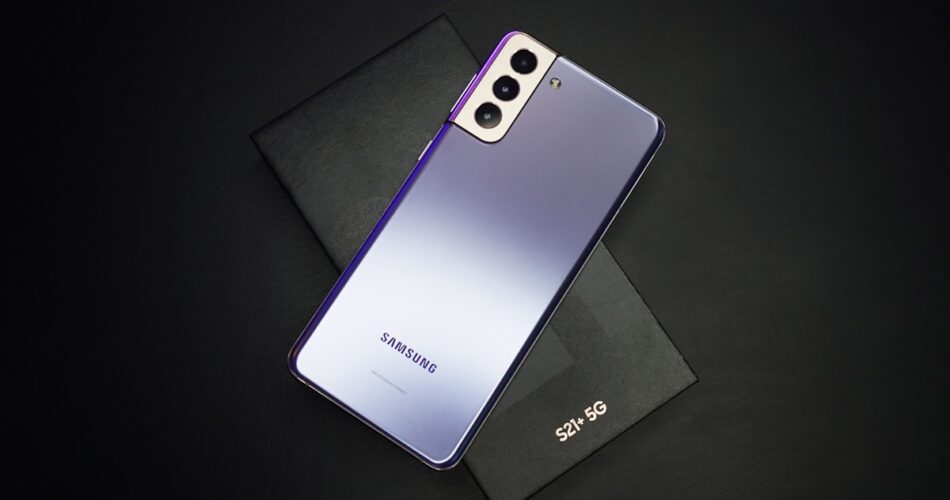
The Galaxy Z Fold 8 and Z Flip 8 serve two fundamentally different user types, and both now share the same repairability constraint.
## The Numbers Samsung Advertises
Samsung's 2026 Galaxy Z series environmental claims center on recycled ocean-bound plastics and bio-based materials in the frame. The company touts these figures prominently in press releases and at Unpacked events.
The recycled content in the Z Fold 8 and Z Flip 8 sits at an estimated 15-20% by device mass. That is real. That is measurable progress compared to earlier generations.
But here is what that number misses: recycled materials offset only roughly 30-40% of manufacturing emissions from producing a foldable device. The other 60-70% comes from energy-intensive processes like display manufacturing, chip fabrication, and rare earth element extraction.
Repairability directly determines how long that initial environmental investment pays itself back.
Samsung Galaxy Z series incorporates recycled ocean plastics and bio-based materials in frame construction, but repairability determines whether that investment pays off.
## What a 6/10 iFixit Score Actually Means
Samsung Galaxy Z Fold 8 and Flip 8 both scored 6 out of 10 on iFixit's repairability scale in 2026. On iFixit's scale, 6 means moderately repairable, with notable obstacles remaining.
What that looks like in practice: you can access the battery and camera modules with standard tools. Samsung removed some of the adhesive bonding that made the Z Fold 7 series frustrating to open. That is genuine progress.
But the display assembly still requires proprietary fasteners. The hinge mechanism is not designed for field replacement. If you crack the inner foldable screen, you are effectively replacing half the device.
Research published in the Journal of Industrial Ecology found that extending a smartphone lifespan by just one year reduces its total carbon footprint by roughly 25-30%. A device that cannot be easily repaired short-circuits that equation immediately.
## The Framework: Recycled Content Plus Repairability Score
Use this simple two-axis framework when evaluating any foldable on environmental grounds:
**1. Calculate recycled material offset for manufacturing emissions.** Samsung's 15-20% figure gives you a 30-40% manufacturing emissions offset. Not nothing, but not everything either.
**2. Evaluate repairability for real-world repair access.** A sub-7/10 score means professional repair is required for most damage scenarios, adding replacement costs and generating new e-waste.
When recycled materials and repairability diverge, follow the repairability score. A 7/10 score with no recycled content beats a 6/10 with recycled materials from a circular economy perspective. Higher repairability extends device life, which multiplies every environmental benefit upfront.
Practical tip: a thermal camera can help you visualize adhesive and seal patterns before attempting any DIY repair. Heat mapping the device exterior before teardown reduces damage risk from hidden adhesive. This single step improves repair success rates significantly on foldable devices.
## What Buyers Should Actually Check
Environmentally conscious consumers, sustainability bloggers, and ESG investors should look at the same set of signals:
– **Check the iFixit teardown report directly.** You want to see: modular display assembly, removable battery with standard screws, and a replaceable hinge without soldered connections.
– **Calculate lifecycle emissions.** Published research suggests a 200kg CO2e manufacturing footprint for mid-range foldables. Recycling offsets that by 60-80kg if recycled content reaches 20% by mass. Repairability extends the device from 3 to 5 years, cutting effective annual emissions by another 33-50%.
– **Check Samsung's sustainability report for repairability commitments.** The 2026 report mentions repairability score targets but delivers 6/10 rather than the 7/10+ target sustainability advocates requested. If you struggled with foldable device repairability in past purchases, see the corresponding repairability breakdown for what changed and what did not.
## The Investor Perspective
ESG investors following Samsung should note the gap between stated sustainability targets and achieved outcomes. Samsung's 2026 sustainability report sets ambitious recycled material targets but does not tie executive compensation to repairability score results.
For reporting period purposes, Samsung classifies repairability improvement as a secondary metric. Primary metrics remain recycled content percentages and carbon reduction from renewable energy. Investors using ESG frameworks that prioritize circular economy outcomes will see Samsung underperform relative to its stated ambitions.
Foldable shipment projections of approximately 10 million units annually for 2026 mean every point of repairability score improvement prevents roughly 50,000 to 80,000 additional e-waste units per year based on breakage and upgrade replacement patterns.
E-waste is the fastest-growing waste stream globally. Samsung's repairability strategy directly affects how many Z-series devices join this pile.
## What the Competition Does Differently
Google's Pixel Fold 2 scored 7/10 on iFixit in 2025, making it the most repairable mainstream foldable currently on the market. Google uses recycled materials in the frame and screen components, though at a lower percentage by weight than Samsung.
Google's approach illustrates the trade-off clearly: lower recycled content, higher repairability score, better circular economy outcome when you factor in device lifespan.
Motorola's Razr 2026 variant scores 5/10, the lowest among major foldables. That device uses recycled ocean plastics more prominently than Samsung but lacks modular design for hinge and display replacement.
No brand in this space has solved the repair-versus-recycling balance completely. Every one of them makes trade-offs.
## Conclusion
Samsung Galaxy Z series recycled content is real and improving. Do not dismiss it entirely. The 15-20% recycled material figure represents genuine manufacturing emissions reduction compared to earlier models.
But recycled materials alone offset only 30-40% of manufacturing emissions. A 6/10 repairability score means most damage scenarios require professional replacement. That replacement generates new e-waste regardless of how green the original materials were.
Environmentally conscious buyers should weigh both factors before purchasing. ESG investors should track both metrics independently rather than relying on Samsung's combined sustainability narrative.
The Galaxy Z Fold 8 and Flip 8 are the most sustainable Samsung foldables to date. They are not circular economy success stories yet. They sit precisely in the middle between marketing and reality.
## FAQ
**1. Do recycled materials actually reduce e-waste from foldable smartphones?**
Recycled materials reduce the carbon footprint of manufacturing but do not directly reduce e-waste volumes. E-waste comes from devices that cannot be repaired and are discarded. A phone made from recycled aluminum still generates e-waste if the screen breaks irreparably at year two.
**2. Is a 6/10 iFixit score good enough for sustainable consumer electronics?**
Industry consensus among circular economy researchers suggests 7/10 as the minimum threshold where DIY and professional third-party repair become genuinely accessible. A 6/10 score means professionals can repair it, but you pay for that access rather than exercising a right to repair.
**3. How does repairability compare to recycled materials for environmental impact?**
A longitudinal study in Resources, Conservation and Recycling found that extending smartphone lifespan from three to five years reduces total lifecycle emissions more than doubling recycled content from 10% to 20%. Repairability enables lifespan extension. Recycled content alone does not guarantee it.
**4. Should ESG investors be concerned about Samsung's 6/10 iFixit score?**
Samsung's 2026 sustainability report does not tie executive compensation to repairability score targets. ESG investors tracking circular economy performance should flag this gap. Samsung reports on recycled material progress but treats repairability as a secondary metric, creating a reporting versus outcome disconnect.
Suka nonton Anime, ngoding dan bagi-bagi tips kalau tahu.. Oh iya, suka baca ( tapi yang menarik menurutku aja)...
Praktisi WordPress, web development, SEO, dan server administration yang membagikan tutorial teknis dan catatan implementasi nyata.