Key Takeaways
- Samsung Galaxy Z Fold 8 and Flip 8 both scored a 6/10 on iFixit repairability in 2026, meaning moderately repairable but still far from ideal.
- Recycled materials in the Z Series are real, but they don't offset the environmental cost of a short-lived, hard-to-fix foldable device.
- Repairability and recycled content serve two purposes. Samsung only meaningfully delivers on one of them right now.
Here is the uncomfortable truth most Samsung sustainability press releases won't tell you. You buy a Galaxy Z Fold 8 or Z Flip 8 because you care about the planet. Samsung markets these devices as green progress. The recycled plastic in the frame feels like a checkmark in the right column. Then you drop the inner display, and that checkmark immediately evaporates.
A $1,399 foldable with a 6/10 repairability score is not a sustainability win. It is a well-packaged environmental compromise dressed up as leadership. This article breaks down exactly where Samsung is telling the truth, where the messaging is misleading, and what it actually means for you as an environmentally conscious buyer in 2026.
The Recycled Materials Numbers Sound Impressive Until You Read the Fine Print
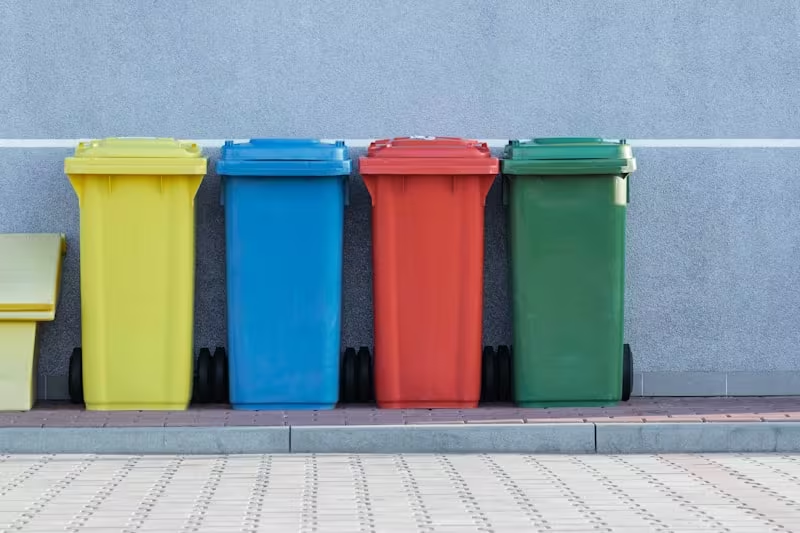 Samsung has steadily increased recycled content across its mobile lineup. The 2026 Galaxy Z Series uses recycled ocean plastics in the frame and side key components. This is not nothing. Removing plastics from the ocean to put them in a premium smartphone is a net-positive supply chain decision. Samsung deserves credit for this specific move.
Here is where things get murkier. The recycled content percentage is calculated by weight, not by environmental impact or device lifespan. A tiny internal bracket made from recycled aluminum offsets far less environmental harm than a single inner display assembly that cannot be independently replaced, driving otherwise functional devices to early obsolescence.
The math Samsung uses favors low-weight, high-volume recycled components. It does not reward repairability. It does not reward a device built to last eight years instead of three. Recycled materials in a disposable product is still, at the end of the day, a disposable product.
iFixit 6/10 Means You Can See Inside, But You Still Lose on Repairs
Let me be specific about what a 6/10 actually means in practice. The Galaxy Z Flip 8 earned this score in 2026 with credit given for modular battery and camera access, adhesive strips that are almost removable without destruction, and a frame that opens up more easily than previous generations. Curious readers should check the deeper breakdown of how Samsung actually implemented these changes in its latest foldable.
That last part matters a great deal. The inner display on a foldable remains a single fused assembly with the hinge mechanism in most designs. If you damage the inner screen on a Z Fold 8, the repair pathway is essentially replacement of a large, expensive unit. The cost of that repair approaches the depreciation value of the device itself.
What does this mean in plain numbers?
- Inner display replacement for Galaxy Z Fold 8 runs roughly $600 to $850 through official channels.
- The device retains about 55% of its original value at 24 months on average.
- A single screen incident in year two effectively doubles the true cost of ownership compared to a non-foldable with independent screen replacement.
- iFixit's 6/10 score for the Flip 8 reflects improved module access for battery and camera, but the hinge and display remain structural repair barriers.
The environmental angle here is straightforward. Every Galaxy Z device that reaches end-of-life early because one expensive component becomes unfixable represents a full device worth of rare earth metals, processed aluminum, and assembled electronics going to waste. The recycled content in the frame did almost nothing to offset that loss.
The Hidden Timeline Problem Nobody Talks About
Samsung publishes multi-year sustainability roadmaps. These roadmaps almost always look excellent. Recycled content targets reach 50% by some future date. Carbon neutrality targets extend to 2045 or 2050. These are real commitments, and they are genuine progress.
The timeline mismatch is the problem. You, as a consumer in 2026, do not benefit from a recycled content target Samsung plans to hit in 2030. You benefit from repairability decisions made right now, in the device you are holding. Samsung's 2026 Z Series improved repairability from previous generations. That is a real win. It is also a lower bar than the company's marketing implies.

An environmentally conscious buyer should ask this question before purchasing any premium foldable. If the inner display breaks in month 18, is this device still repairable at a cost that makes practical sense? For the 2026 Galaxy Z Series, the honest answer is borderline. The device is repairable enough that repair is technically possible. It is not repairable enough that repair is the obvious financial or environmental choice when something goes wrong.
How Samsung's Strategy Actually Compares to Competition
Foldables are a new product category. Environmental impact assessments for this segment barely existed five years ago. Samsung is, in many ways, setting the standard simply because no standard existed before. That context matters before dismissing their efforts entirely.
Still, Apple's iPhone approach on repairability arguably outpaces Samsung on the foldable front, even though Apple lagged significantly for years. The difference is structural. An iPhone screen can often be replaced with official parts by a third-party shop for a fraction of the device cost. A Galaxy Z inner display cannot. The physics of the foldable display create a structural repair barrier that recycled plastic percentages cannot solve.
Motorola's Razr line presents a different tradeoff. Lower recycled content in some generations, but in certain years, a repairability score that matched or exceeded Samsung's. The lesson is that recycled materials and repairability are independent variables. A device can score well on one and poorly on the other. Samsung's Z Series currently trends toward better recycled content than repairability.
What ESG Investors and Sustainability Bloggers Should Watch For
If you are evaluating Samsung as an ESG investment or writing about mobile sustainability, the metrics to track are specific and increasingly available. iFixit teardown scores for each Z Series generation. Samsung's annual sustainability report breakdown by product line. Third-party lifecycle analysis from organizations that account for repair pathways, not just material sourcing.
The recycled materials narrative is genuinely improving. The repairability narrative is improving more slowly. For ESG scoring purposes, the divergence between these two metrics is the most important signal Samsung's sustainability reporting currently sends. Recycled content is a supply chain win. Repairability is a product design win. Samsung has made more progress on the supply chain side.
The Practical Framework for Buyers Who Care
If you are environmentally conscious and considering a Galaxy Z device in 2026, here is a framework that cuts through the marketing.
- Consider device insurance seriously. Not because the screen will definitely break, but because if it does, insurance transforms the repair conversation from an immediate financial loss to a managed cost.
- Hold the device longer than your previous phone. The environmental cost of manufacturing a foldable is higher than a traditional slab phone. Extending device lifespan to four or five years is the single most impactful thing you can do.
- Use official Samsung trade-in when upgrading. Samsung's recycling program properly processes components that cannot be reused, recovering materials that feed back into the recycled content supply chain.
- Track the next two Z Series generations. The 7/10 repairability threshold, when Samsung crosses it, is the moment recycled materials and repairability finally align as a genuinely credible sustainability story.
Samsung's 2026 Galaxy Z Series offers real environmental progress through recycled materials. The repairability story is improving but has not caught up to the sustainability marketing yet. If you care about e-waste, the device you keep for five years matters more than the device with the highest recycled percentage.
FAQ
Does Samsung Galaxy Z use recycled materials?
Yes. The 2026 Galaxy Z Fold 8 and Flip 8 incorporate recycled ocean plastics in the frame and side key components. Samsung has publicly committed to increasing recycled content across its mobile lineup as part of its broader sustainability roadmap. The full sustainability report is available on Samsung's official sustainability page.
What is the iFixit repairability score for Galaxy Z Fold 8 and Flip 8?
Both devices scored 6/10 on iFixit's 1-to-10 scale in their 2026 teardowns. This represents moderately repairable, improved from earlier foldable generations, but still limited by the fused display and hinge assembly structure that makes inner screen repairs expensive and complex. The detailed teardowns are published at iFixit.com.
Is Samsung's sustainability claim greenwashing?
That depends on your definition. Samsung has made genuine progress on recycled materials supply chains. However, combining strong recycled content marketing with a device that remains economically non-repairable for common damage creates a misleading overall narrative. The recycled materials are real; the comprehensive sustainability story is incomplete.
]]>