
TL;DR
Samsung is rumored to reorganize the Galaxy S27 Ultra camera module into a vertical layout. If true, this is not just a cosmetic redesign, it is a signal about where Samsung is taking computational photography. Here is what mobile photographers and content creators need to know before they decide whether to wait for the S27 Ultra or pull the trigger on the current model.
The Rumor: A Full Sensor Reorganization
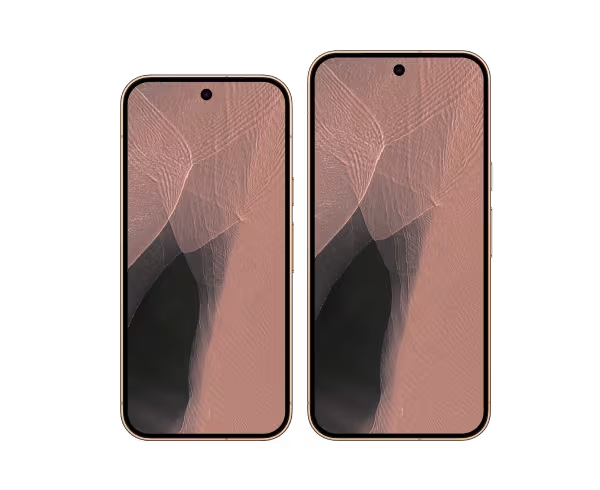
Leaks pointing to early 2027 have converged on one detail: the Galaxy S27 Ultra camera bump is going vertical. Not a slight tilt, not a rounded square. A true vertical column, stacked lens arrangement. This is not just about aesthetics.
A vertical sensor layout changes the physical relationship between each lens and the image signal processor underneath. When lenses are arranged horizontally, light paths and heat dissipation spread laterally. When they stack vertically, Samsung can route data straight down into the chip underneath, cutting trace length and potentially improving processing speed for multi-lens fusion.


The rumored Galaxy S27 Ultra camera redesign could signal a major shift in Samsung's sensor strategy. Image: concept render.
Why Sensor Layout Actually Matters for Photos
Most people think camera upgrades are about megapixels. They are not. Sensor layout, the physical arrangement of photodiodes and supporting circuits on the silicon die, determines how efficiently a camera captures light and converts it into a usable image. A vertical stacking approach, an idea borrowed from memory chip design, lets Samsung put the photodiode layer on top and the analog-to-digital conversion circuitry directly beneath it.
This is called a stacked sensor architecture, and Sony has been doing it for years in their Exmor RS line. Samsung catching up on this front would be meaningful because:
- Shorter data paths mean less electrical noise creeping into the signal
- Faster readout speeds reduce rolling shutter in video
- Better heat distribution keeps the sensor stable during long exposures
- Smaller module height gives Samsung room for a larger battery or different internal stacking
For mobile photographers shooting street scenes, concerts, or low-light environments, these are not specs on a paper. They translate directly into usable images with cleaner shadows and less banding.
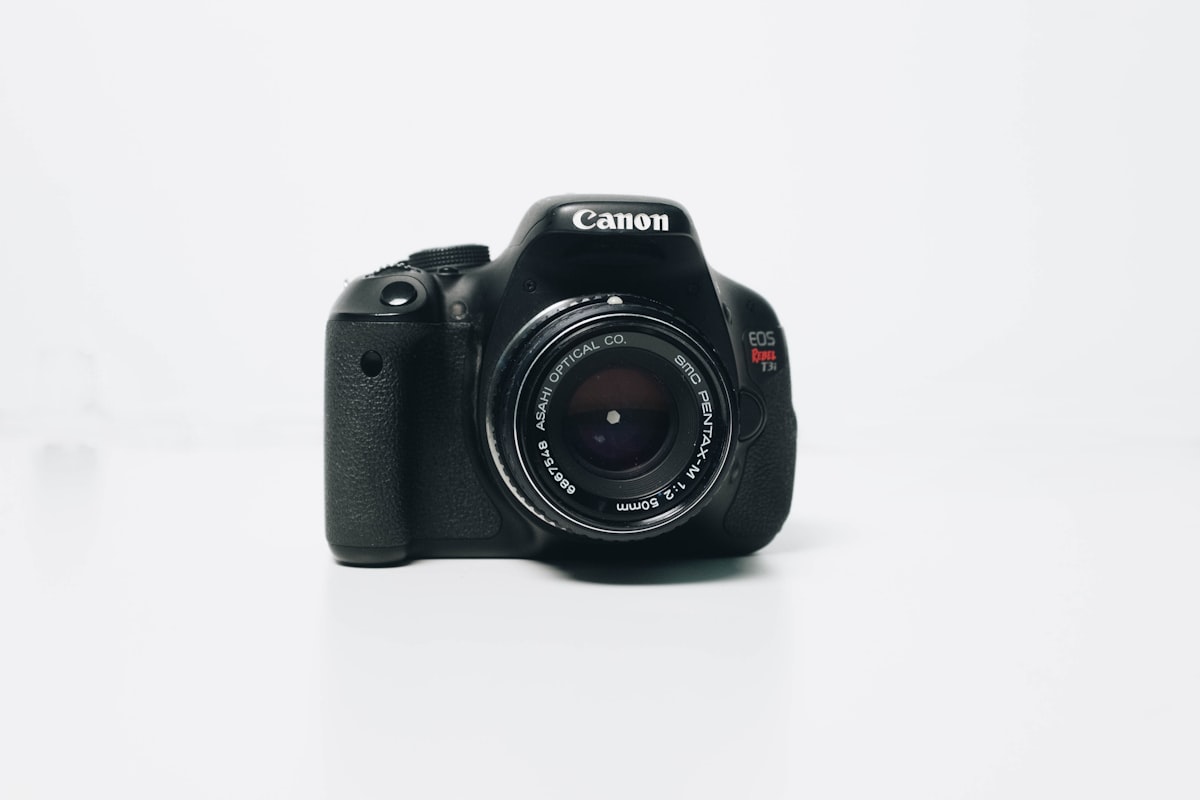

Samsung's rumored sensor reorganization could transform the way light hits the image processor.
What This Means for Content Creators
Content creators depend on consistency. When you are shooting a product review, a vlog sequence, or a social media carousel, your camera needs to behave the same way shot to shot. A new sensor architecture introduces both opportunity and uncertainty.
Here is where it gets practical. If Samsung moves to a stacked sensor design underneath that vertical bump:
- Dynamic range could improve noticeably. Stacked sensors handle highlight recovery better because each pixel gets its own dedicated amplifier.
- Video performance may jump. Faster readout means less jello effect and possibly better 8K stabilization.
- Low-light color accuracy may get a boost. Less cross-talk between pixels means cleaner color separation when light is scarce.
- Lens correction algorithms need retraining. A new physical layout changes distortion patterns. Samsung will have to recalibrate its computational pipeline, which means early firmware may be rough.
That last point is the one most reviews skip in the launch window. New hardware with old software calibration does not give you accurate results. Plan on waiting two to three firmware updates before the camera stabilizes into something you can rely on for client work.

What the Galaxy S27 Ultra sensor change means for content creators working with phone footage.
The Real Question: Should You Wait?
That depends on what you are currently shooting with and what you need from your next device. Here is a simple decision framework:
- If you are on the S23 Ultra or older, the S26 Ultra already gives you a massive jump in processing and zoom. Wait for the S27 Ultra only if you specifically need the telephoto improvements.
- If you are a professional mobile photographer, stacked sensor benefits are real but subtle. You will feel the difference mostly in video and extreme low light.
- If you are a content creator shipping sponsored content, device consistency matters more than marginal gains. Stick with a proven sensor until the S27 Ultra firmware matures.
- If you just want the best Android camera available, this redesign is worth the wait, assuming Samsung executes it cleanly.
The honest truth is that no one outside Samsung's imaging division knows exactly how this sensor rearrangement will perform in production silicon. Leaks give us shape, not substance. The layout tells us Samsung is serious about computational photography. It does not guarantee the output will be better day one.

Sensor size and layout matter for mobile photographers serious about image quality.
Key Takeaways
- The Galaxy S27 Ultra is rumored to use a vertical camera sensor layout, which changes the physical design of the silicon itself, not just the phone's exterior.
- A vertical sensor stack improves readout speed, reduces noise, and enables better low-light performance by shortening signal paths between pixels and processors.
- For content creators, early firmware on new sensor architectures is often buggy, so plan for a few updates before relying on the device for professional work.
- The upgrade is most valuable if you are currently on a phone older than the S24 Ultra, and least urgent if you are happy with your current camera output.
Frequently Asked Questions
Is the Galaxy S27 Ultra camera redesign confirmed?
No, the vertical sensor layout is based on supply chain leaks and CAD renders as of mid-2026. Samsung has not officially confirmed any design details for the S27 series.
Will a new sensor layout improve photo quality?
Potentially, yes. A stacked sensor design improves readout speed and reduces noise, which benefits video and low-light photography. But software calibration is just as important as hardware, so early results may vary.
When will the Galaxy S27 Ultra be released?
Samsung typically launches its Ultra models in the first quarter of the following year. Based on historical patterns, expect an announcement around January or February 2027.
Bottom Line
Samsung's potential shift to a vertical camera sensor layout in the Galaxy S27 Ultra is more than a redesign, it is a bet on stacked sensor technology that could meaningfully improve video and low-light photography for mobile creators. The hardware story is promising. The real test will be how well Samsung's computational pipeline adapts to new physical architecture. If you can wait, wait for reviews on real silicon, not leaks on paper.
Have thoughts on this rumored camera redesign? Drop a comment below and let us know whether you would wait for the S27 Ultra or stick with your current device.