Key Takeaways
- NVIDIA data center revenue now far exceeds gaming, shifting the company's focus away from consumer graphics.
- AI infrastructure is driving growth while GPU supply constraints pressure gamers and PC builders.
- The company's strategic investments prioritize enterprise AI over gaming optimizations.
- Gamers face higher prices and limited availability as demand shifts toward data center workloads.
- Investors should watch NVIDIA balance between maintaining gaming relevance and capitalizing on AI's explosive growth.

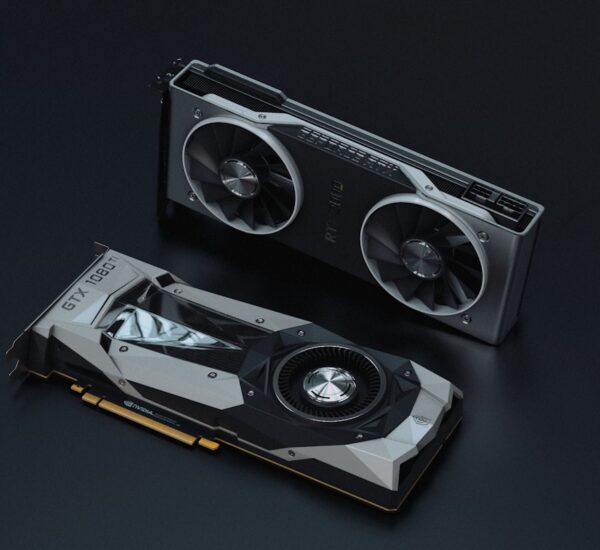
Remember when buying an NVIDIA GPU was about chasing framerates in your favorite games? Those days feel increasingly distant. The GPU giant has quietly pivoted its entire R&D spend, manufacturing capacity, and business development toward one thing: data centers powering AI workloads.
This isn't just a minor shift. It's a fundamental transformation of what NVIDIA represents. If you're watching this from the investor side, or you're still trying to grab a decent GPU for personal use, understanding why this happened and what it means next becomes critical.
Here are five concrete data center moves NVIDIA made recently that effectively sidelined gaming as a primary growth engine.
1. The Hopper Architecture Bet You Did not See Coming
In 2022, NVIDIA launched the Hopper architecture specifically designed for data center training workloads, not gaming. While consumer GPUs got updates every few years, Hopper was built from day one with AI model training in mind. The sheer scale of this decision tells you where priorities sit.
Hopper added massive memory bandwidth and specialized tensor cores that make no sense for rendering shadows and textures in games. The result? Training time for large language models dropped dramatically. That is great for building generative AI, but not so great for gamers waiting for the next-generation GeForce card with similar tech.

This wasn't accidental optimization. It was targeted allocation of engineering resources toward applications generating hundreds of dollars per chip per day rather than $799 sales spikes at launch.
2. Blackwell Prioritized Over Consumer Roadmaps
The follow-up architecture, Blackwell, went even further. By the time Blackwell entered public discussions, consumer line announcements had moved to refresh cycles rather than generational leaps. Blackwell features NVLink scaling, multi-chip packaging, and security features irrelevant for running Cyberpunk at max settings.
Meanwhile, consumer GPUs essentially plateaued on process technology gains. That is because TSMC's most advanced nodes were first allocated to data center clients who could pay premiums and commit to massive volume orders.
3. Ecosystem Lock-In Through Software Stack
Beyond hardware, NVIDIA poured money into CUDA, their parallel computing platform. Every major AI framework, every cloud provider's managed service, every research paper referencing GPU acceleration ties back to CUDA. This creates stickiness that customers cannot easily walk away from once invested.
CUDA benefits data center deployments exponentially more than gaming. In gaming, DirectX and Vulkan handle what they need to do fine. But for AI training, you want the most optimized kernels available, and those live inside CUDA. The deeper researchers and enterprises get into NVIDIA's software stack, the harder it becomes to consider alternatives.
4. Pricing Strategy Aligned With Enterprise Willingness To Pay
Data center GPUs like the H100 carry price tags ranging from $30,000 to upwards of $50,000 per unit. Compare that to the latest GeForce RTX series peaking around $2,000 for enthusiast models. That margin differential reflects two different markets talking past each other.
Enterprises aren't buying individual chips; they're buying compute capacity as a service. Cost per inference, seconds saved per training job, total cost of ownership, all matter more than sticker shock when deploying thousands of units across multiple regions.
5. Manufacturing Capacity Allocation Shows Where Money Flows
Perhaps the starkest evidence lies in how foundry partners allocate capacity. When demand outstrips supply, selling ten data center chips replaces selling dozens of gaming cards in terms of revenue impact. Consequently, gaming SKU availability fluctuates wildly during AI booms while new data center families ship on schedule.
The Gaming Side Effect Nobody Discusses
What does this mean for someone just wanting to play games without an economics PhD? Prices have risen, scarcity increased, and performance-per-dollar metrics haven't kept pace with previous generations. Some argue this is healthy, clearing up speculation-driven buying from crypto mining days and refocusing innovation on genuine architectural improvements.
Others see a troubling sign. If GPU development continues concentrating exclusively on server farms where single-user interactivity matters less than aggregate throughput, consumer products risk becoming maintenance mode products. That shift affects not just gamers but streamers, content creators, educators using real-time graphics simulations, and anyone who bought into the promise of continuous improvement.
Investor Perspective: Why It Still Matters For Portfolios
You might be thinking, “I'm not a gamer, I'm here for investment returns.” Then let's bring this home. NVIDIA's market cap surged past headline-grabbing levels partly because Wall Street understood this pivot worked. Revenues from data center now dwarf gaming segments in both absolute dollars and growth rates.
But do not assume gaming can suddenly become irrelevant overnight. There remains substantial brand equity built on consumer success. Many businesses buy professional-grade NVIDIA chips because their employees trust the same underlying technologies they love playing games with. Removing that tether entirely could alienate a useful channel for testing ground feedback loops.
Bottom Line
NVIDIA didn't abandon gaming so much as they identified where exponential value lived. Whether you're an investor tracking margins or a gamer frustrated by lackluster upgrades, understanding this realignment helps navigate expectations going forward. The world wants intelligence now more than ever, and NVIDIA answered loudly, just not necessarily on your monitor.