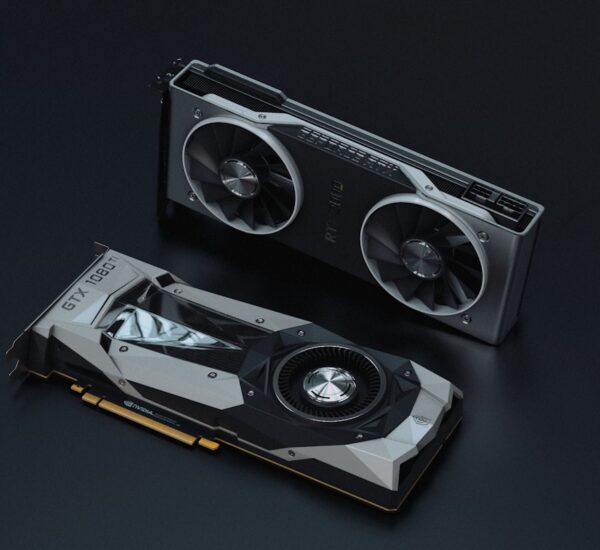


Every data center manager knows the pain of hardware refresh cycles. You ship out 500 H100s, stock up on fresh GPUs for the new workload, and wonder where all the margin went. But what if those decommissioned cards weren't waste, but an untapped revenue stream?
GPU recycling and rare-earth recovery pipelines are quietly reshaping how hardware lifecycle managers think about procurement, depreciation, and sustainability targets. The industry is moving from “replace and discard” to “recover and recycle,” and the economics are hard to ignore.
Key Takeaways
- GPU recyclers can offset 15-20% of total hardware refresh costs through rare-earth and precious-metal recovery.
- Rare-earth elements like neodymium and dysprosium are increasingly critical for next-gen AI hardware, creating supply-chain pressure that recycling directly eases.
- Leading data centers are embedding recycling into procurement contracts, turning decommissioned GPUs into a strategic asset rather than a liability.
The Hidden Value in Your Decommissioned GPUs
When a GPU reaches end-of-life for your workload, most organizations ship it to a recycler or warehouse it. What they don't realize is that each card contains materials worth serious money. The gold in the PCB traces, the copper in the heat pipes, the palladium in the solder joints — these add up quickly across hundreds or thousands of cards.
But the real prize is rarer. Modern GPUs use specialized alloys containing neodymium, dysprosium, and other rare-earth elements that power the magnets in cooling fans and the conductive pathways that make high-performance computing possible. These materials are geographically concentrated, subject to export restrictions, and facing rising demand from the AI boom.


The math is straightforward. A single H100 contains roughly 0.5 grams of gold in its circuitry. Across a fleet of 1,000 cards, that's half a kilogram of recoverable gold. At current prices, we're talking about thousands of dollars in materials alone. Add in the rare-earth content and the picture changes from “disposal cost” to “revenue opportunity.”
Why Rare-Earth Recovery Matters More Than You Think
Here's the thing most hardware managers miss: rare-earth supply chains are fragile. China controls roughly 60% of global rare-earth mining and nearly 90% of processing. When geopolitical tensions flare, or when demand from EV manufacturers and wind turbine producers competes for the same supply, prices spike.
GPU recycling directly addresses this vulnerability. By recovering neodymium and dysprosium from decommissioned cards, organizations reduce their reliance on virgin mining and create a domestic supply source. Several major chipmakers have already announced programs to integrate recycled rare-earths into their manufacturing processes.
The environmental angle matters too. Mining rare-earth elements is extremely energy-intensive and produces toxic byproducts. Recycling a single GPU can reduce the carbon footprint associated with those materials by up to 85% compared to virgin production. For organizations with ESG commitments, that's not just good ethics, it's measurable impact.
Building a GPU Recycling Pipeline Into Your Hardware Strategy
So how do you actually operationalize this? The organizations doing it well aren't treating recycling as an afterthought. They're building it into their procurement and decommissioning workflows from day one.
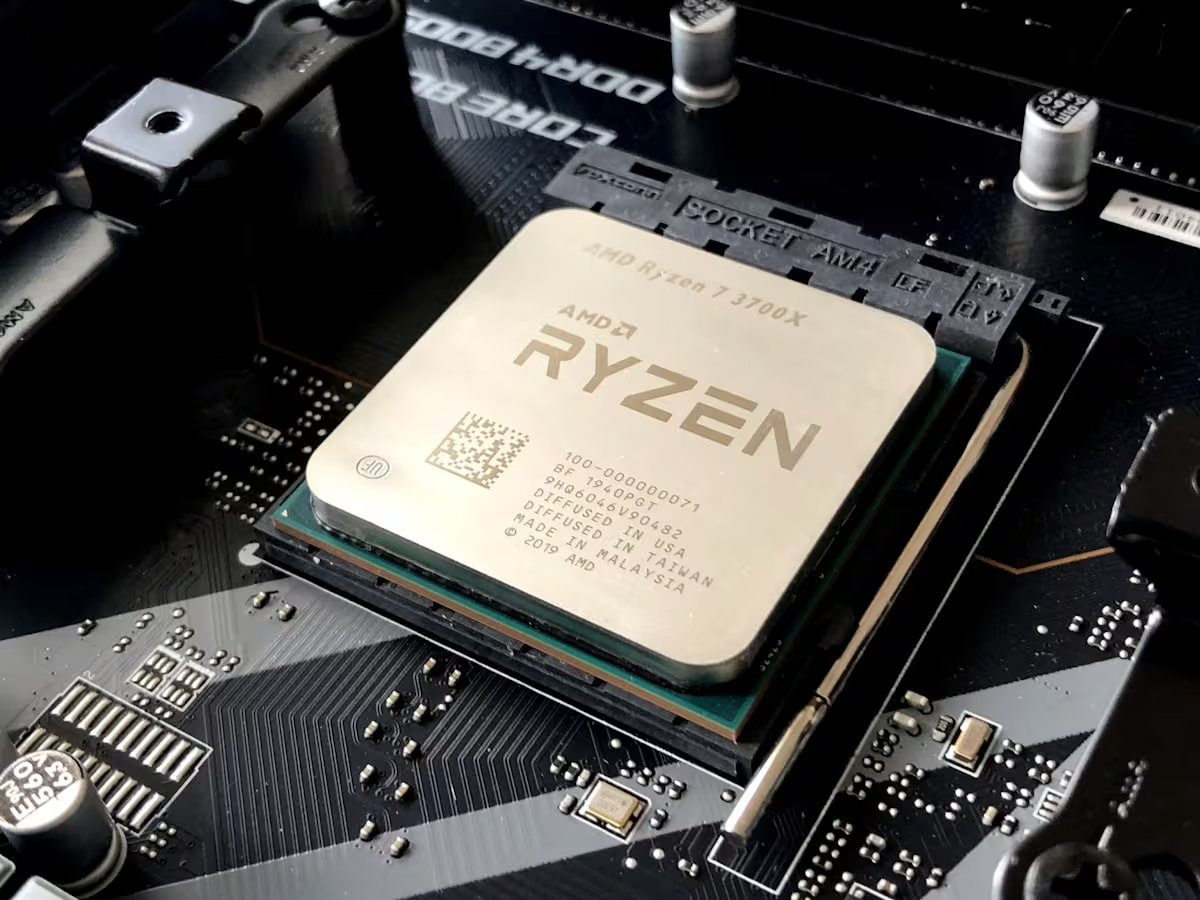
Step 1: Negotiate take-back clauses into your GPU purchases. Leading suppliers like NVIDIA, AMD, and specialized recyclers are offering buyback or take-back programs. Lock these into your contracts before you buy, because the terms available now will likely tighten as demand for recycled materials grows.
Step 2: Track your fleet's material composition. Different GPU generations contain different material profiles. An H100 has different rare-earth content than an A100 or a 3090. Building a simple spreadsheet tracking model, year, and material estimates gives you the data you need to forecast recovery value.
Step 3: Schedule refreshes around recovery windows. Don't let old hardware sit in storage. The sooner you process decommissioned cards, the better the recovery rates. Some recyclers offer graded pricing based on turnaround time, so speed matters.
Step 4: Partner with certified e-waste processors. Not all recyclers are equal. Look for certifications like R2 (Responsible Recycling) or e-Stewards. These ensure your hardware isn't exported to developing nations for informal processing, which undermines the environmental benefits you're seeking.
The Financial Case: 15-20% Cost Offset Is Real
Let's talk numbers. A mid-sized organization refreshing 500 GPUs annually at an average acquisition cost of $12,000 faces $6 million in hardware spend. If recycling and rare-earth recovery nets 15% of that value back, we're talking about $900,000 in recovered value. Even at a conservative 10%, that's $600,000.
This isn't theoretical. Companies like Apple have demonstrated that closed-loop supply chains can recover significant value from end-of-life products. Apple's “Daisy” robot disassembles iPhones and extracts rare earths with high purity. The same principles apply to data center hardware, and several specialized firms now offer GPU-specific recovery services.
The cost offset compounds over time. As rare-earth prices rise and recycling technology improves, the recovery percentage should increase. Organizations that build these pipelines early will lock in better terms and develop relationships that pay dividends.

What's Stopping More Organizations From Adopting This?
If the economics are this compelling, why isn't everyone doing it? A few barriers persist.
First, there's the knowledge gap. Many hardware lifecycle managers simply don't know these programs exist. Recycling conversations usually happen with facilities or sustainability teams, not procurement. Bridging that silo is the first step.
Second, there's the data security concern. Organizations worry about data remnants on GPUs, even though modern storage is typically on separate modules. Still, you need clear policies and certified wiping procedures before shipping hardware out.
Third, the logistics can feel complicated. But specialized recyclers now offer kit-based collection systems that simplify the process. You get standardized boxes, shipping labels, and tracking. The friction is mostly psychological at this point.
Looking Ahead: The Circular Economy Will Define Hardware Strategy
The writing is on the wall. Regulations in the EU and California are pushing for extended producer responsibility, meaning companies will eventually be liable for the end-of-life processing of their products. Building recycling pipelines now isn't just smart economics, it's preparing for what will become compliance.
Organizations that treat decommissioned GPUs as waste are leaving money on the table and missing a strategic opportunity. Those that build recycling into their hardware lifecycle will enjoy lower total costs, stronger ESG profiles, and reduced supply-chain risk. In an era of geopolitical uncertainty and rising material costs, that's not optional, it's essential.
The question isn't whether you can afford to build a GPU recycling pipeline. It's whether you can afford not to.