Every day, someone somewhere is launching an AI workload. They pick their provider. They configure their instances. They wait.
But here's what nobody tells you: the real bottleneck isn't GPU availability. It's power supply. And the way AWS, Google, Microsoft, and OpenAI are solving this problem is radically different.
If you're a decision-maker evaluating cloud infrastructure for AI, the PSU strategy of your provider might be the single most important factor you're ignoring.
Key Takeaways
PSU capacity, not GPU supply, is becoming the binding constraint for AI data centers. The big four providers are taking fundamentally different approaches to power delivery. AWS bets on in-house silicon and 48V architectures. Google leverages its custom ASICs and liquid cooling. Microsoft pursues partnerships and modular designs. OpenAI is building vertically integrated infrastructure from the ground up.
The Hidden Crisis Nobody's Talking About
Lead times for data center power supply units have exploded from 8-12 weeks to 24-36 weeks. The AI boom created demand that simply outstrips manufacturing capacity. Three bottlenecks are strangling supply: GaN and SiC semiconductor shortages, transformer iron core capacity limits, and validation infrastructure gaps.
Most operators blame the supply chain. As we detailed in our AI Power Crisis article, lead times have exploded to 24-36 weeks. But the smart players aren't waiting for suppliers. They're redesigning their entire power architecture.
How Each Major Provider Is Solving This
The strategies diverge in interesting ways. Understanding these differences could save your next infrastructure project from costly delays.
AWS: The Silicon Play
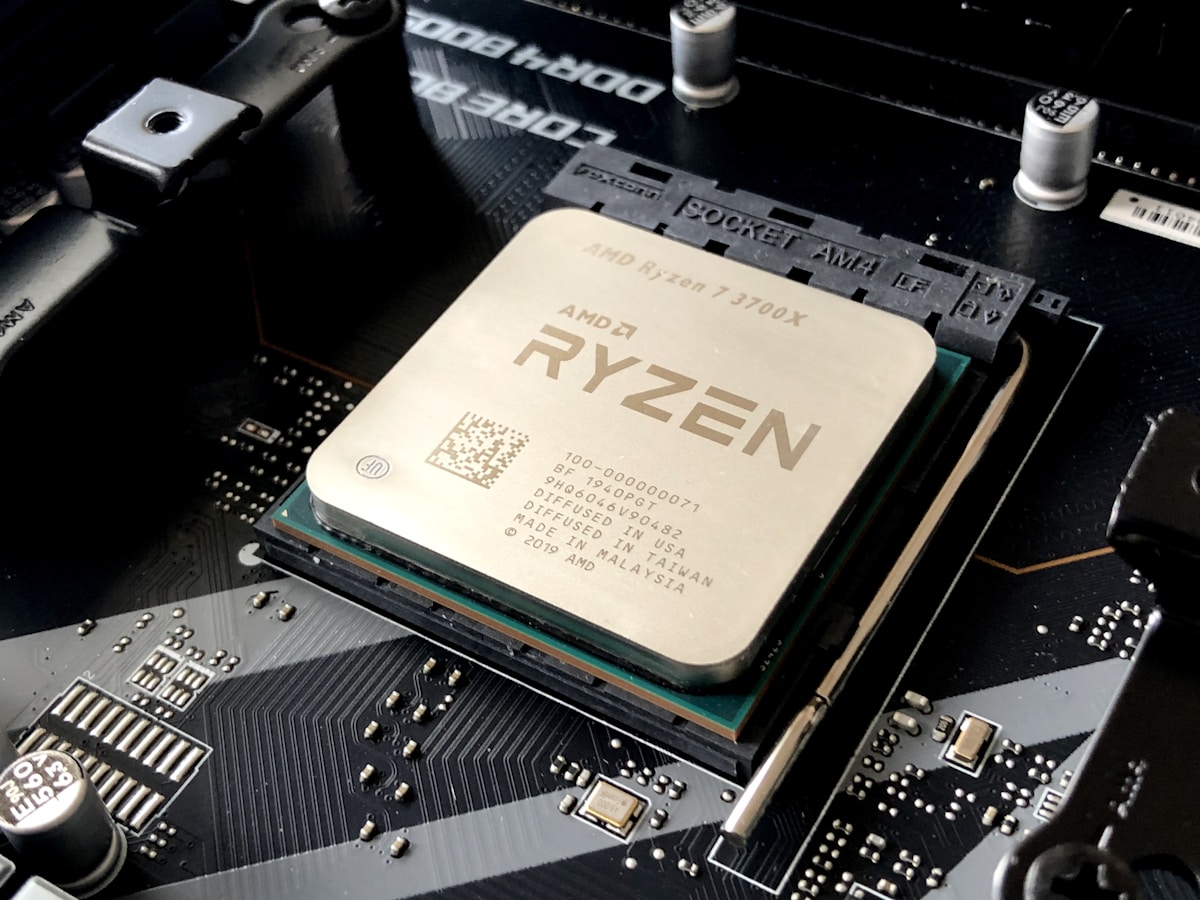
AWS is going vertical. They're designing custom power management silicon in-house rather than relying on third-party PSU vendors. This approach gives them two advantages.
First, they control the supply chain. When demand spikes, they're not competing with every other cloud provider for the same components. The PSU vendor problem most teams face is exactly this kind of supply chain vulnerability.
Second, they can optimize efficiency. Their custom silicon targets higher conversion rates, which directly impacts their power usage effectiveness scores.
AWS is also pioneering 48V power delivery architectures. Traditional 12V systems lose too much energy in transmission across large rack deployments. The shift to 48V reduces current, cuts losses, and allows denser power distribution. This isn't experimental either. AWS has been deploying 48V infrastructure in select regions for AI workloads.
The downside: custom silicon means long development cycles. If your AWS region doesn't have the updated infrastructure yet, you're on legacy 12V systems with longer PSU lead times and lower efficiency.
Google Cloud: The ASIC Advantage
Google has a different weapon: they already build the chips their servers run on. Their custom ASICs include power management capabilities that third-party server vendors simply can't match.
This vertical integration extends to their cooling strategy. Google pioneered liquid cooling at scale for AI workloads. Their Power Usage Effectiveness numbers are industry-leading because they design power delivery and thermal management as a single system rather than separate problems. This connects to the broader data center power stack challenges we've analyzed.
Google's approach means their PSU lead times track more closely with their chip production timelines. When they need more capacity, they order more chips. They're not waiting on a separate supply chain for power modules.
However, Google's infrastructure is concentrated in fewer regions. If you need AI compute in Asia-Pacific or Europe, availability might be thinner than AWS or Azure.
Microsoft Azure: The Partnership Model
Microsoft is playing a different game. Rather than building custom silicon or chips, they're investing heavily in partnerships with PSU manufacturers and designing modular power architectures.
Their strategy centers on predictability. Azure uses standardized power designs across regions. When one region faces PSU shortages, they can often reconfigure another region's inventory rather than waiting for new shipments.
Microsoft is also pushing on power procurement. They've signed long-term power purchase agreements with renewable energy providers. This isn't just ESG theater. Securing power contracts early gives them priority access during grid constraints.
The tradeoff: standardization means they're not as efficient as Google or AWS on power delivery. Their modules work everywhere, but they don't optimize for any single use case.
OpenAI: The Vertical Integration Play
OpenAI is doing something nobody else has tried at this scale. They're building their own data centers. Not leasing space. Not partnering. Building. This mirrors the data center power crisis that's forcing providers to rethink their entire infrastructure approach.
This gives them ultimate control over power infrastructure. They can spec PSUs exactly to their needs. They can install liquid cooling where they want it. They can design power distribution around their actual workload patterns rather than generic cloud templates.
The risk is massive capital expenditure. And OpenAI is spending billions. But when you're running the largest AI models in the world, traditional procurement timelines are unacceptable. Building your own infrastructure eliminates the bottleneck entirely.
The lesson here: if your AI workload is large enough, vertical integration might be worth considering. For most organizations, it's not. But understanding that this option exists changes how you evaluate cloud providers.
What This Means for Your Infrastructure Decisions
Here's what decision-makers should take away from these strategies.
- Don't assume all cloud regions are equal on PSU availability. AWS us-east-1 might have newer 48V infrastructure while other regions lag. Verify before you commit.
- Liquid cooling matters more than you think. If your AI workloads run hot, providers with liquid cooling capabilities will have better PSU lead times because their power and thermal systems are designed together.
- Power procurement is now a competitive advantage. Providers with long-term power purchase agreements will deliver more reliably during energy constraints. This isn't just about sustainability.
- Custom silicon beats custom orders. Providers designing their own power management components aren't competing for the same PSUs as everyone else.
The Bottom Line
The AI infrastructure war isn't being fought on GPUs alone. It's being fought on power supplies. The providers who solve the PSU bottleneck first will have a meaningful advantage in delivering AI workloads reliably and efficiently.
For your organization, this means evaluating cloud providers on more than just compute specs. Look at their power infrastructure strategy. Ask about PSU lead times. Understand their approach to power delivery architecture. These details could determine whether your AI deployment ships on time. Understanding the real cost of PSU delays is critical for infrastructure planning.

The providers winning today aren't just the ones with the fastest chips. They're the ones with the most reliable power.

Frequently Asked Questions
What is the current PSU lead time for AI data centers?
PSU lead times have increased from 8-12 weeks to 24-36 weeks due to surging AI demand outpacing manufacturing capacity. GaN and SiC semiconductor shortages are the primary bottleneck.
Which cloud provider has the best PSU strategy for AI workloads?
Google Cloud leads on efficiency through custom ASICs and liquid cooling integration. AWS leads on availability through 48V architecture deployment. Microsoft Azure leads on standardization across regions. OpenAI leads on vertical integration by building custom infrastructure.
Should I wait for PSU availability before starting my AI project?
No. Work with providers who have proactive PSU strategies rather than waiting for general market availability. Custom silicon approaches and 48V architectures offer better lead times than standard PSU procurement.
How does liquid cooling affect PSU performance?
Liquid cooling allows PSUs to operate at higher efficiency because thermal management is integrated with power delivery design. This reduces total power overhead and improves reliability under sustained AI workloads.
What role do power purchase agreements play in cloud reliability?
Long-term PPAs secure energy access during grid constraints. Providers with PPAs can maintain PSU operations during energy shortages that affect competitors without secured power contracts.