You Might Be Wrong About Mac vs Windows in 2026
You might be wrong about Mac vs Windows in 2026. Here's why your current assumption could be costing you productivity, money, or both.
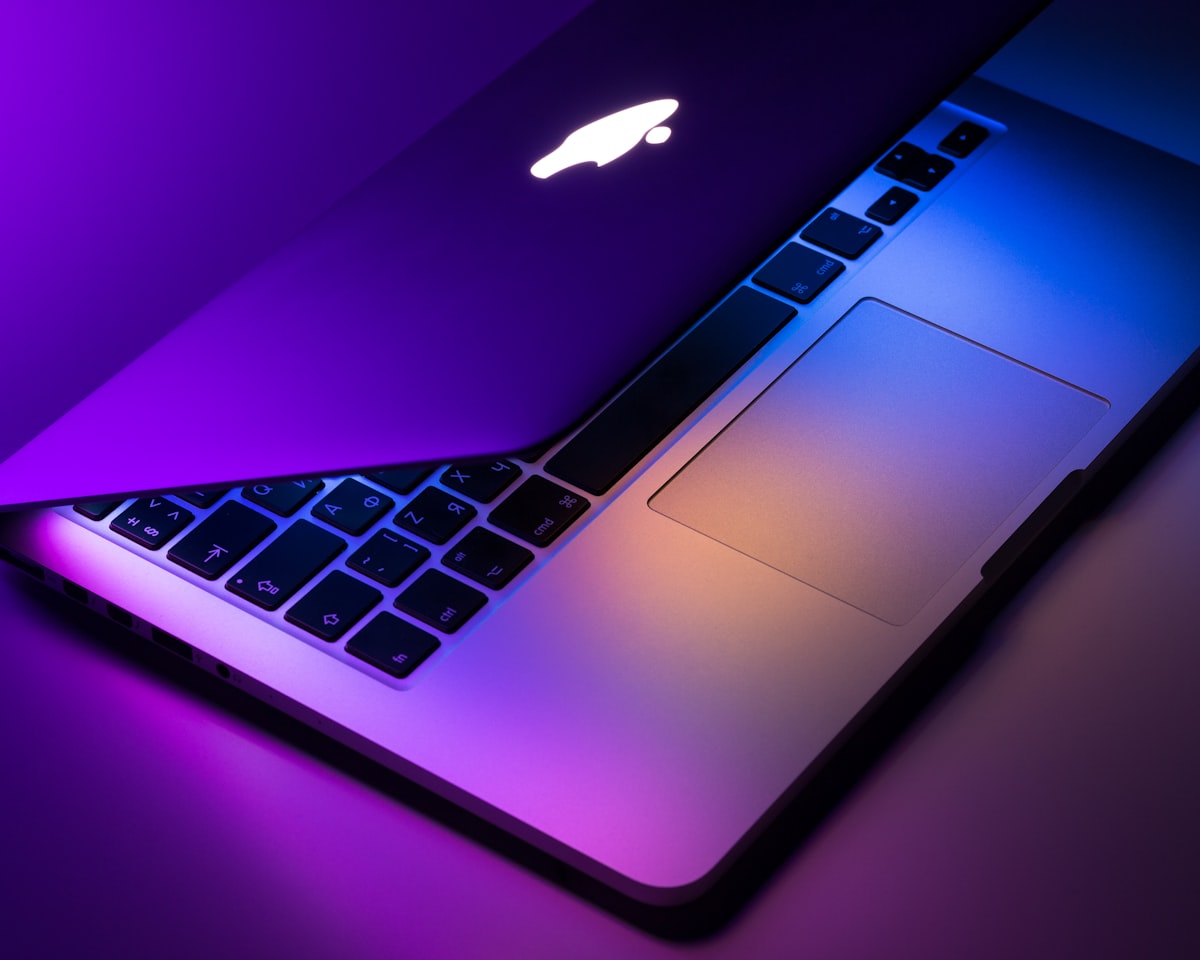
Here's the thing most comparison articles won't tell you: the Mac vs Windows debate has fundamentally shifted since 2023, and if you're making a buying decision based on old benchmarks or familiar narratives, you might be choosing the wrong laptop for your specific needs.
We've been trained for decades to see Mac as premium and Windows as budget—and that was true for about ten years while Intel struggled with heat and power consumption. But as we look at the 2026 landscape, both sides have evolved in ways that flip several assumptions on their own heads.
The Battery Myth That Won't Die
Let's start with one of the most persistent myths: MacBooks always outlast Windows laptops by a comfortable margin. This used to be undeniably true when comparing Intel Core i7 MacBook Pros against typical business Windows machines. But in 2026? Not so fast.
Recent reviews from Android Authority show Snapdragon X Elite-based Windows laptops delivering battery gains that are genuinely impressive—some approaching MacBook Pro territory while using significantly less power at idle. The efficiency curve has flattened for both platforms, which means many Windows laptops now easily deliver eight to ten hours of mixed productivity work, not just the theoretical maximums manufacturers quote.
This piece digs deeper into real-world battery testing methodologies that reveal why published numbers often disappoint in actual usage scenarios. The catch? These numbers come with strings attached. Real-world testing reveals that heavy multitasking, video encoding, and development workloads still tip back toward Apple Silicon advantages. Yet for most corporate users who spend their days browsing, writing documents, and attending Zoom calls—the difference between a Windows ARM laptop and an M-series MacBook often comes down to about thirty minutes of battery life. Is that $300-$500 price differential worth thirty minutes for your organization? That's the calculation procurement teams need to make.

What Windows Actually Gained
Microsoft didn't sit still while Apple shipped its silicon transition. They got aggressive with Windows on Arm, and the results are visible in every modern release. Here's what matters in practice:
- Visual Studio runs natively—no more Rosetta-style translation layers slowing down compilation times
- Docker Desktop for Windows now leverages WSL2 efficiently enough that container development feels nearly identical to macOS
- Most enterprise security tools from CrowdStrike, SentinelOne, and Microsoft Defender now fully support ARM64 without missing features
That third point alone is huge for IT departments. In years past, switching to Mac meant worrying about antivirus gaps or lacking specialized compliance tooling. Today, the security parity between platforms has reached a point where the deciding factors become usage-specific rather than platform-wide.
Where Windows Still Leads
Before you close this tab thinking Windows has won completely, there remain three areas where the redmond platform maintains clear leadership: hardware flexibility, peripheral compatibility, and gaming/workstation options.
Need to plug into a legacy serial port adapter? USB-A device from 2019? Full-sized SD card slot without dongles? Windows laptops still offer these out-of-the-box more frequently. Need a machine that can run Unreal Engine for architectural visualization? A CAD package that relies on specific GPU acceleration profiles? The Windows ecosystem accommodates these edge cases far better because manufacturers keep building diverse form factors—not just two or three slim ultrabook designs.
And yes, gaming remains Windows territory regardless of processor architecture. Even with Apple Silicon closing performance-per-watt gaps, DirectX optimization and game library availability keep Windows ahead for professional designers who also game casually during lunch breaks or developers testing cross-platform applications.

The Hidden Cost Factor
Let's talk dollars and cents—a realm where procurement officers often make critical mistakes. An M2 MacBook Air starts around $999, but hit configuration ceilings near $1,800 for meaningful upgrades. A comparable Dell XPS 13 Plus or Lenovo ThinkPad X1 Carbon with Snapdragon X Elite sits comfortably in that same range yet offers expandable RAM and storage through modular upgrade paths on select models.
But wait—the sticker price tells only part of the story. Calculate total cost of ownership across three years including depreciation, repair costs, replacement cycles, training time for staff adapting to new interfaces, and support overhead from internal help desks. Suddenly a cheaper Windows machine may represent better value depending on how your organization operates.
Consider this scenario: Your company deploys fifty MacBooks versus five hundred Windows units. Volume licensing agreements, bulk purchase discounts, standardized imaging processes, and existing Windows admin familiarity could collectively save tens of thousands annually despite higher individual unit costs for premium MacBooks. This scale effect matters immensely when rolling out fleet-wide device refreshes.

Who Should Stick With Mac Anyway?
Don't interpret this analysis as recommending everyone abandon Apple machines entirely. Certain workflows still genuinely favor macOS:
- Creative professionals working heavily within Adobe Creative Cloud, Final Cut Pro, or other Apple-optimized suites
- Mobile developers who need both iOS simulators and Android emulators on one machine
- Teams already invested deeply in iCloud+ ecosystems where seamless iPhone/Mac integration boosts daily productivity
- Writers and journalists valuing keyboard feel, trackpad precision, and display consistency across devices
If your role falls into any of those categories, switching away from Mac might actually reduce your output rather than increase it. Technology choices should serve human needs—not force humans to adapt rigidly to arbitrary platform preferences.
Decision Framework for 2026
Rather than defaulting to emotional attachment or brand loyalty, try applying this simple evaluation framework when considering a change:
| Question | Indicates… |
|---|---|
| Do I rely on Windows-only enterprise software? | Stay with Windows |
| Is my workflow dominated by light productivity tasks (docs, email, browsing)? | Either works fine; pick best price/performance combo |
| Do I need maximum port selection without dongles? | Lean toward Windows |
| Am I building cross-platform mobile apps regularly? | Probably keep macOS even if learning curve exists |
| Will my team benefit from centralized management via Intune/SCCM? | Windows integrates smoother here |
Answer honestly. Avoid falling into the sunk cost fallacy—just because you've used Mac for five years doesn't mean another option wouldn't serve you better tomorrow.

Conclusion
The 2026 laptop battlefield looks very different from just three years ago. Neither side holds absolute supremacy anymore; instead each occupies distinct strengths shaped by evolving chip architectures, software ecosystems, and real-world usage patterns. For switchers considering leaving Windows today, the question no longer becomes “Mac or Windows?” but rather “Which specific Windows device aligns with my workflow, and does the potential gain justify disruption?”
For IT procurement teams evaluating mass deployments: stop letting marketing decks drive decisions. Run pilot programs. Measure actual productivity metrics before committing to large orders. Remember that what looks great on paper often diverges from day-to-day reality once people start typing on keyboards and juggling twenty browser tabs simultaneously.
Your next laptop choice will affect daily work quality for potentially hundreds of hours over its lifespan. Take the time to evaluate objectively rather than relying on outdated mental models. The best computer isn't the most expensive one—it's the one that disappears into the background and lets you focus on doing your actual work.
Got thoughts on whether the Mac vs Windows war is truly settled in 2026? Drop a comment below—I read every single one and respond personally to substantive questions.