Key Takeaways:
- The Galaxy Z Flip 8 scored just 6/10 on iFixit's teardown, meaning it's moderately repairable but still makes you sweat about dropping your $1,000 phone.
- Samsung added easier access to the battery and camera modules, which is good news if you're the kind who swears they'll fix their own devices when something breaks.
- But there are dealbreakers: glued-in components and proprietary screws mean you're still at risk of turning your Flip into a paperweight if you make one wrong move while trying to DIY a repair.
So you've got your shiny new Galaxy Z Flip 8 in hand, right? You paid top dollar for that form factor, probably scrolled through all those specs online until your eyes blurred, and maybe even pre-ordered it before anyone else did. But right after all that excitement comes the quiet question everyone tries not to ask: what happens when it cracks? What happens when the hinge stops behaving like magic and starts acting like rusted tin foil? That's where Samsung's push toward “modular repair” meets reality, and where iFixit's latest teardown tells us exactly how ready Samsung truly is for everyday users to fix things themselves.
If you've ever opened up an old phone and found yourself wrestling with tiny screws that seem determined to vanish forever, or if you've watched YouTube videos of people ripping apart flagship devices only to hear a sickening click as something snaps, you already know this topic hits home. The Flip series has always been a love-it-or-hate-it situation because those foldables look incredible until you drop them. And then the real cost kicks in: shipping it back to Samsung, waiting weeks, paying hundreds for screen replacements, or worse, giving up and buying a new one. That's waste, that's frustration, and that's the opposite of sustainable tech. So when iFixit released its detailed teardown of the Z Flip 8 with a public repairability score, the community went hard on digging into every detail. What they found isn't exactly a slam dunk, but it's also not the worst we've seen from Samsung in recent years.
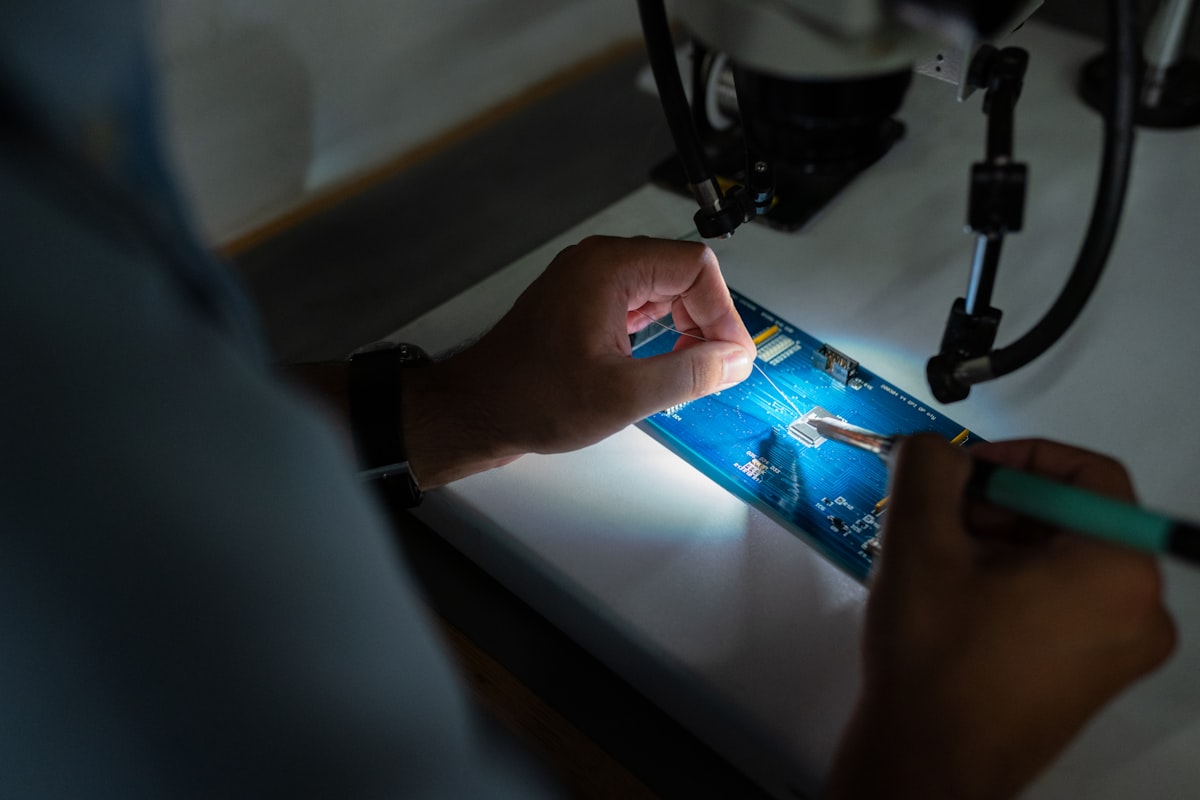
At first glance, the good news is that Samsung actually listened to some of the feedback from previous models. The Z Flip 8 uses fewer strong adhesives around critical areas, which makes prying open the device noticeably easier than it was with the Z Flip 7 or earlier generations. The battery is designed to pop out with a simple pull tab instead of requiring excessive heat or specialized tools, and the main camera module can be detached without worrying about frying nearby circuitry. Those small tweaks add up to meaningful time savings during repairs. For someone doing routine fixes like swapping a cracked rear cover or replacing a dying battery, these changes reduce both the risk of accidental damage and the amount of time spent fiddling with stubborn glue.

Still, the score isn't perfect, and why would it be? Proprietary Pentalobe screws show up again across multiple parts, meaning you need exact screwdrivers you likely don't own sitting in a drawer somewhere. Even worse, several internal components remain bonded together in ways that separate them risks tearing fragile ribbon cables or damaging the folded display layer itself. That's a big deal because the FlexHinge assembly still includes intricate moving parts that aren't meant to be user-serviceable. If you crack the front panel and attempt a DIY fix, you might end up with a phone that opens but doesn't flex smoothly anymore, a much worse problem than a cracked screen to begin with. iFixit called this out clearly: while Samsung improved modularity in some sections, the core structural elements are still locked down tight enough that most average users would be better off leaving those steps to professionals.
For the DIY crowd, budget-conscious folks, and sustainability advocates who care about extending device lifespans over endless upgrade cycles, this middle ground matters. Think about it this way: being able to swap a battery or clean dust out of charging ports without visiting a shop saves money right away. Being able to replace a damaged side button or swap a SIM tray without risking the whole unit means less immediate replacement pressure. But knowing there are hard boundaries, like “don't touch the hinge unless you want it ruined,” helps set realistic expectations so people don't accidentally turn minor fixes into catastrophic failures. That balance between empowerment and protection is exactly where modern repairability sits now, and the Flip 8 lands squarely in the middle zone with room to grow.
Here's the breakdown of what works well versus what still needs work based on the teardown findings:
What Works Well:
- Battery installation or removal simplified with no heavy adhesive required.
- Rear camera module detachable without risking mainboard damage.
- Internal layout allows relatively easy access to major components once opened.
- Metal frame reduces warping risk compared to older plastic-heavy designs.
What Still Needs Work:
- Premium screws require proprietary drivers most users don't own.
- Hinge assembly remains non-user-serviceable and highly delicate.
- Front panel bonding increases risk of display damage during forced removal.
- No clear labeling inside case makes identifying parts harder for beginners.
Moving forward, if you're thinking about picking up a Flip 8 mainly for repair flexibility, keep those limitations front of mind. Buy the right tool kit first, if you value your own sanity and your device's health, and consider whether your actual repair habits match what the score suggests you can realistically handle. Sometimes paying slightly more upfront for pro-level accessories prevents far bigger headaches later. On the flip side, knowing exactly where the weak spots are helps you use the device more carefully, protecting the parts least forgiving of mistakes. That mindfulness alone extends usable life regardless of whether you ever unscrew anything yourself.
The larger story here goes beyond just one phone model, it reflects an ongoing industry tension between sleek design aesthetics that favor sealed units and genuine repairability that supports longevity. Every time manufacturers add more glue, smaller proprietary fasteners, or layered screens without clear separation points, they edge closer to planned obsolescence disguised as innovation. Conversely, every improvement like easier battery removal or modular cameras represents tangible progress toward consumer control. Until then, scores like iFixit's stay relevant benchmarks guiding decisions not just on purchase day but also on maintenance planning years down the line. Want to maximize resale value? Stick to minor swaps you're confident handling. Want to minimize e-waste contribution? Support brands incrementally improving accessibility even if perfection isn't there yet. Either way, understanding the tradeoffs puts you ahead of the curve before problems surface.
If you want deeper dives into specific teardown sections or comparisons with other foldables worth checking out next, explore these related posts already covering similar themes in our library: Why Foldables Break Faster Than Advertised, plus another looking at how software stability sometimes outweighs hardware specs when evaluating long-term reliability: Software Really Does Matter More Than Specs for Foldables. Both pieces complement this analysis nicely by expanding context around usage patterns and durability realities you should consider before committing money to any premium mobile device.
You can also read the full iFixit teardown report for detailed step-by-step photos and scoring breakdown. Another great reference is Android Central's review, which covers real-world performance alongside repairability considerations.
Ready to assess whether your next purchase aligns with your repair philosophy? Check out our updated comparison guide ranking current flagships by actual repair accessibility rather than marketing claims alone. Or share your biggest fear about folding phone repairs below, we tackle reader concerns every Friday in our weekly Q&A segment featuring hands-on testing results straight from the bench.