Key Takeaways
Your Galaxy Watch 9 isn't magic—it has real limitations when tracking health metrics compared to medical-grade devices. Here's what actually matters for your fitness monitoring.
The Promise vs Reality of Consumer Health Tech
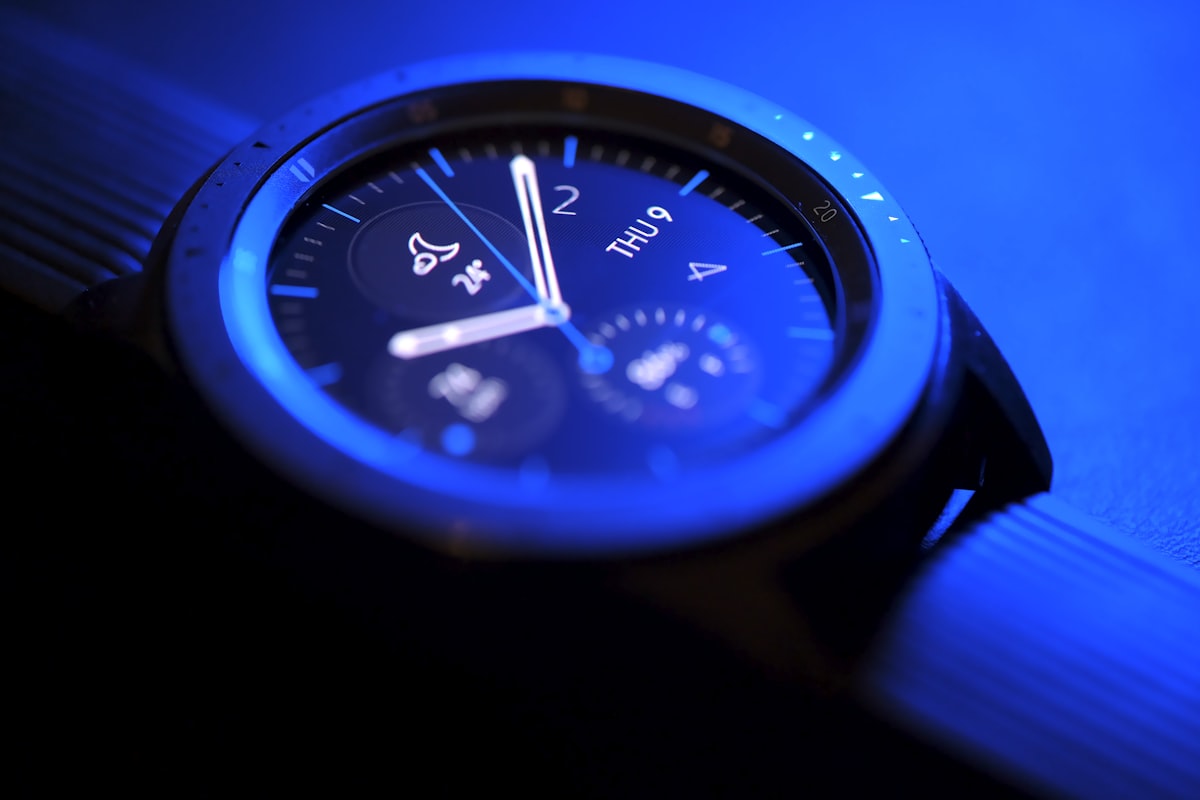
We've all been there: staring at your smartwatch, convinced you hit 180 BPM during that sprint interval—only to feel totally fine. You think, “Something's off.” But is it the watch? Or your perception? This isn't paranoia. A growing number of studies are revealing a quiet gap in wearable health accuracy. The same optical sensors that track your sleep, calories, and heart rate? They're great for trends, questionable for precise medical decisions.
Think about this: your Galaxy Watch 9 costs under $400. A medical-grade ECG monitor sits in hospital emergency rooms costing tens of thousands. You wouldn't trust an oil pressure gauge from a cheap toy car over one designed for an actual racecar engine—so why expect different from health sensors?
Pulse Ox SpO2 Monitoring
Consumer wearables use photoplethysmography (PPG)—the same technology Apple Watch pioneered—with green and red LED lights to estimate blood oxygen saturation. Research published in peer-reviewed studies found PPG-based SpO2 measurements can deviate by 5-7% from pulse oximeters used in clinical settings.
That margin might not matter for casual wellness tracking, but factors like darker skin pigmentations, loose fit on the wrist, tattoos, and arm movement during measurement all throw readings off significantly.
Heart Rate Tracking During Exercise
While resting heart rate tracking on modern watches generally falls within 2-5 BPM of chest strap monitors, exercise performance tells a different story. A study comparing optical wrist-based monitors to Holter monitors during high-intensity interval training showed lag times of up to 20 seconds after peak exertion before the watch displayed elevated rates. For interval athletes, that delay means you're effectively training blind.
Additionally, optical sensors struggle during activities involving repetitive hand motion or grip—think cycling, weightlifting, or rowing. The movement interferes with light absorption, creating false spikes or drops in heart rate that look alarming but aren't real.
The Medical-Grade Standard
What are we actually comparing against? Clinical devices operate under strict FDA clearance protocols requiring rigorous validation across diverse populations. Electrocardiogram systems directly measure electrical impulses from the heart through electrodes placed on the skin—the gold standard for rhythm and rate analysis.
Samsung markets certain Galaxy Watch features as wellness tools precisely because they aren't approved as medical devices. That distinction isn't semantic—it carries serious legal and safety implications worth understanding before trusting your watch for serious health decisions.
Where Consumer Devices Hold Up Fine
Don't write off smartwatches entirely. For general activity monitoring, sleep staging, stress detection via HRV, and recovery tracking, they provide valuable longitudinal data. The real value lies not in absolute accuracy but in spotting trends over time:
- Sleep quality: Tracking REM cycles offers actionable insights even if exact timing varies.
- Resting heart rate baselines: Consistently elevated RHR over weeks signals potential issues.
- HRV analysis: Useful for assessing stress and recovery patterns.
- Activity motivation: Daily step counts and calories burned encourage movement.
When To Worry—and What To Do
Several red flags warrant immediate attention beyond normal device variation. First, frequent unexplained spikes: random surges to 180+ BPM at rest suggest sensor interference rather than arrhythmia, but persistent cases merit medical evaluation. Second, missing pulses: if your watch regularly shows zero heart rate during active wakefulness, calibrate or replace the band. Third, divergent symptoms: feeling dizzy or palpitations while the watch says everything's fine? Listen to your body first.
The simplest solution combines tools. Wear your smartwatch for continuous baseline awareness, but validate concerning readings with a pulse check, dedicated chest strap like Polar H10, or clinically approved device when symptoms arise. Better yet, share your wearable history with healthcare providers who increasingly accept this data when contextualized honestly.
Looking Ahead
Samsung continues iterating on health features across Galaxy Watch models, promising improved algorithms and regional ECG functionality. Meanwhile, competitors push boundaries: Garmin adds hydration monitoring, Oura rings explore infrared temperature tracking, and Whoop straps focus purely on strain and recovery without distraction. Medical-grade consumer health tech remains a work in progress.
For now, remember this framework:
- Use wearables for encouragement, not diagnosis
- Trust relative changes over absolute numbers
- Never hesitate to seek clinical verification for concerns
- Maintain realistic expectations about capabilities
Final Thought
Your Galaxy Watch serves beautifully as a personal wellness companion, nudging you toward healthier habits and keeping engagement alive through gamified challenges. Yet treat supplementary insights cautiously whenever serious questions emerge regarding physical wellbeing.
Sensor technology improves year over year, and we will see genuine convergence eventually. Until then, wield current tech wisely, respecting both utility and inherent limits.
Recently, we also looked at the business side of wearables in this deep dive on how wearable companies actually make money beyond hardware sales.